
rockstart
07-14 10:43 AM
Did you mentiopn like Phani_6 that your lawyer filed Eb3 on advice from DOL inspite of you qualifying for Eb2?
I already mailed the Letter to Visa Section, DOS with a request to allocate some Visa Number to EB-3(India) to help to reduce the wait time. Did not mention about EB-2 or any other thing. Just a Request for EB-3 (India).
I already mailed the Letter to Visa Section, DOS with a request to allocate some Visa Number to EB-3(India) to help to reduce the wait time. Did not mention about EB-2 or any other thing. Just a Request for EB-3 (India).
wallpaper Afraid to Leave Job - Finding

chanduv23
03-24 02:14 PM
I had little knowledge of immigration and of the type of people on h-1b and the type of companies who sponsor greencards when I first started perusing immigration boards. I thought many people were like me.
Back in 2002 and 2003 when USCIS hardly approved any EB greencards; people were pretty emotional on immigration.com.
Rajiv Khanna did a class action lawsuit against USCIS to start approving cases. He wanted some plaintiffs. Now; people on immigration.com were so emotional about their approvals and cursing USCIS all over the place. Of the thousands of people who would post; there was only something like 13 people who actually signed up to be plaintiffs. I volunteered myself to be a plaintiff but my case had only been pending for about six months at that time so I didn't think I would be a good candidate. However; only 13 people signed up compared to the thousands who were bellyaching about it. I didn't understand at that time why there was so little people who were willing to step u.
In 2007 AILF specifically wanted people to join the lawsuit but were very clear that they wanted "clean" cases. I thought it odd that they had to specifically mention this.
Murthy didn't want to file lawsuit because they thought it would have negative repurcussions against their existing clients in future cases.
USCIS is pretty much the toughest agency to deal with and people who deal with them regularly know this. Time is on their side. They can deny cases and it takes years to get through the system and people have to have a legal way to stay in the country while this goes on. Because of this hardly anybody challenges them.
I concluded that not many people have clean cases. Many people faked things on their f-1 applications; had bench time; worked in different locations then where h-1b was approved for, etc., etc.
If you look at the different positions people take on these immigration boards; it is usually based on their own situation or people they know of and that leads them to post in a certain way.
eb3 versus eb2
permanent jobs versus consulting
country quota, etc.
The lawyers are the ones who see thousands of cases and what USCIS does and generally do not want to challenge them because it will spell bigger problems.
btw; I am still a little suspicious of the OP. Local offices mainly do family base cases and not employment base cases. Their requests for information are pretty standard and follow the lines of family base information. They do not regularly do employment base interviews. If what the OP is saying is true then this would be a directive coming from headquarters. If that is the case then asking for "contracts" is going to be very problematic as they are going after the temporary versus permanent job.
Texas service center has been known to call candidates/companies but it is usually for very simple information (ie., company tax return, asking verbally whether person is still in same job or verifying current address). They don't call and ask verbally for complex information like OP has stated.
In fact just about every local USCIS office makes you sign a statement that you are not being represented by a lawyer and they "swear" you in that you are going to tell the truth under penalty of perjury.
UN - why do you think USCIS allows
(1) File for h1b from consulting company - when they think there is an issue
(2) Allow labor substitution - when they think it is not good
(3) Allow eb3 to eb2 porting - when they think it is not good
....
....
....
the list can go on
Why do you think people who are following law - not liked by USCIS?
I am not blaming USCIS or not poking at them or your interpretation.
I personally see that if you are not properly represented either by company or my a good Attorney - you are bound to have issues.
Back in 2002 and 2003 when USCIS hardly approved any EB greencards; people were pretty emotional on immigration.com.
Rajiv Khanna did a class action lawsuit against USCIS to start approving cases. He wanted some plaintiffs. Now; people on immigration.com were so emotional about their approvals and cursing USCIS all over the place. Of the thousands of people who would post; there was only something like 13 people who actually signed up to be plaintiffs. I volunteered myself to be a plaintiff but my case had only been pending for about six months at that time so I didn't think I would be a good candidate. However; only 13 people signed up compared to the thousands who were bellyaching about it. I didn't understand at that time why there was so little people who were willing to step u.
In 2007 AILF specifically wanted people to join the lawsuit but were very clear that they wanted "clean" cases. I thought it odd that they had to specifically mention this.
Murthy didn't want to file lawsuit because they thought it would have negative repurcussions against their existing clients in future cases.
USCIS is pretty much the toughest agency to deal with and people who deal with them regularly know this. Time is on their side. They can deny cases and it takes years to get through the system and people have to have a legal way to stay in the country while this goes on. Because of this hardly anybody challenges them.
I concluded that not many people have clean cases. Many people faked things on their f-1 applications; had bench time; worked in different locations then where h-1b was approved for, etc., etc.
If you look at the different positions people take on these immigration boards; it is usually based on their own situation or people they know of and that leads them to post in a certain way.
eb3 versus eb2
permanent jobs versus consulting
country quota, etc.
The lawyers are the ones who see thousands of cases and what USCIS does and generally do not want to challenge them because it will spell bigger problems.
btw; I am still a little suspicious of the OP. Local offices mainly do family base cases and not employment base cases. Their requests for information are pretty standard and follow the lines of family base information. They do not regularly do employment base interviews. If what the OP is saying is true then this would be a directive coming from headquarters. If that is the case then asking for "contracts" is going to be very problematic as they are going after the temporary versus permanent job.
Texas service center has been known to call candidates/companies but it is usually for very simple information (ie., company tax return, asking verbally whether person is still in same job or verifying current address). They don't call and ask verbally for complex information like OP has stated.
In fact just about every local USCIS office makes you sign a statement that you are not being represented by a lawyer and they "swear" you in that you are going to tell the truth under penalty of perjury.
UN - why do you think USCIS allows
(1) File for h1b from consulting company - when they think there is an issue
(2) Allow labor substitution - when they think it is not good
(3) Allow eb3 to eb2 porting - when they think it is not good
....
....
....
the list can go on
Why do you think people who are following law - not liked by USCIS?
I am not blaming USCIS or not poking at them or your interpretation.
I personally see that if you are not properly represented either by company or my a good Attorney - you are bound to have issues.
ThinkTwice
09-26 02:32 PM
My friends also live in the UK. I have a few friends and relatives who work in the health care system. UK health case is pretty bad. The situation is similar to Govt. hospitals in India. You don't have to pay, but you have to wait a lot to see the doctor and to receive care.
Good Companies provide private insurace. Both we and my wife have offers from companies in London and have Private Insurance in our Benefits package.
Good Companies provide private insurace. Both we and my wife have offers from companies in London and have Private Insurance in our Benefits package.
2011 student resume format.
logiclife
04-07 12:33 AM
Desi consulting comapanies will not be affected. Consider this, if this bill becomes you can't transfer Visa and stick to the same employer. They can pay whatever they feel like paying (may be $7 per hr) and abuse the way they want. we will continue to extend the Visa and work as slaves thinking that this will get over one day like the Green card mess.
They will earn more with less people and buy all the new model cars and houses everywhere in US.
This is our problem and we have to fight for our good.
You are wrong, see my post above. Even if you stay at same employer, your H1 wont be extended if you file for extension. If extension fails, its goodbye for employee and loss of employee and revenue for employer.
EVERYONE LOSES.
They will earn more with less people and buy all the new model cars and houses everywhere in US.
This is our problem and we have to fight for our good.
You are wrong, see my post above. Even if you stay at same employer, your H1 wont be extended if you file for extension. If extension fails, its goodbye for employee and loss of employee and revenue for employer.
EVERYONE LOSES.
more...

sunny1000
03-27 05:39 PM
ok..My docs have been received by AO.
Here is the email I got back today
I hope everything goes smooth...still waiting :o
good luck with your processing.;)
Here is the email I got back today
I hope everything goes smooth...still waiting :o
good luck with your processing.;)

gk_2000
07-29 05:51 PM
100 thousand is not for a president to worry about. But 11-12 Million is a different story..
more...

Macaca
05-13 05:42 PM
What if you had to buy American? (http://money.msn.com/how-to-budget/what-if-you-had-to-buy-american.aspx) By Katherine Reynolds Lewis | MSN Money
Legions of patriotic Americans look for "made in USA" stickers before buying products, out of a desire to support the country's economy.
But what if we all were restricted to purchasing only those goods that were made in America?
Our homes would be stripped virtually bare of telephones, televisions, toasters and other electronics, and many of our favorite foods and toys would be gone, too. Say goodbye to your coffee or tea, and forget about slicing bananas into your breakfast cereal -- all three would become prohibitively expensive if we relied on only Hawaii to grow tropical crops.
We'd have to trash our beloved Apple products because the iPod, iPad and MacBook aren't made in the U.S. Gasoline would double or triple in price, given that we now import more than 60% of our oil. And you couldn't propose to your true love with a diamond ring: There are no working diamond mines in the U.S.
Moreover, a complete end to imports would actually hurt the U.S. economy, because consumers and domestic companies would lose access to cheap goods. Trade protections, whether through tariffs or quotas, cost the economy roughly $2 for every $1 in additional profit for domestic producers, said Mark Perry, an economics professor at the University of Michigan-Flint and a visiting scholar at the American Enterprise Institute, a conservative think tank.
"If we restricted trade to just the 50 states, what would happen immediately -- and would increase over time -- would be a huge reduction in our standard of living, because we wouldn't have access to the cheap goods we get from other countries," Perry said. "We also wouldn't have any export markets, so companies like Caterpillar and Microsoft would have a huge reduction in sales and workforce."
So what do we make of heartfelt pleas to save U.S. manufacturing by buying American, or the many websites (see one here) that catalog U.S. sources for an array of products? Or the Buy American Act, which curbs government purchases of products that are made overseas?
Do such efforts actually hurt the country they're trying to help?
The argument for buying American
Marc Kruskol, 53, a publicist based in Palmdale, Calif., goes out of his way to purchase products that are made in the U.S. because of his concern over the decline in manufacturing employment.
"I truly believe that we could go a long way towards fixing the economy if we would just put people to work making things in this country that are made in other places," said Kruskol, who spends hours scouring made-in-America websites or visiting brick-and-mortar stores in search of U.S. products.
He recently spent $10 on a pair of salad tongs made in America, which he tracked down in a restaurant supply store, after rejecting 99-cent foreign-made tongs. And he was happy to spend $650 on a domestically produced barbecue grill rather than a $450 imported one, just to support his countrymen.
But financial experts say that it's best for America if you buy the cheapest product you can find without sacrificing quality. Their explanation rests on the concept of efficient manufacturing. An efficient producer creates the most valuable goods with the least possible expense, selling those items at lower prices than competitors who are less efficient. A country benefits when its manufacturers become more efficient.
When you spend more on an equivalent product simply because it's made in the U.S., you're wasting your money -- and supporting an inefficient manufacturer that, by rights, should become more efficient or go out of business. Moreover, the additional $9.01 or $200 that Kruskol had spent on an inefficient U.S. producer could have been spent on something else, helping the economy further. Or it could have stayed in his savings account and been funneled by his bank into the financial system, which in theory allocates capital to the most efficient producers.
"He gave effectively $9 to an inefficient producer to motivate them to keep producing inefficiently," said Ken Fisher, the founder and CEO of Fisher Investments in Woodside, Calif., and the author of "Debunkery." "I understand the well-intentioned view. Doing that would be terrible for America."
The most efficient producers are best-positioned to create more jobs and return profits to their investors, and to the government in the form of tax revenue. "We make the country better by allocating resources towards the ones that can use them best," Fisher said.
The complex manufacturing question
At the heart of the issue are the interconnected global economy and the changes in the manufacturing sector.
There's no question that U.S. manufacturers employ far fewer people now -- about 11.7 million in April -- than when the sector peaked at 19.6 million workers in 1979. But the decline in jobs is largely due to technological advances that have reduced the number of workers needed to run factories, Perry and Fisher pointed out. The average worker today is responsible for $180,000 of manufacturing output, triple the inflation-adjusted $60,000 of 1972, Perry said.
Despite that increase in productivity, a March report by IHS Global Insight put China's manufacturing output ahead of the U.S. for the first time ever, at $2 trillion in 2010, compared with $1.95 trillion for the U.S. That's up from $1.69 trillion for China and $1.733 trillion for the U.S. in 2009, based on U.S. and Chinese government data.
But Perry argued that exchange-rate fluctuations and differences in data sources caused the IHS Global report to skew the comparison between the U.S. and China. Based on U.N. data for 2009, the most recent available, the United States' manufacturing output was 14% ahead of China's, he said.
Moreover, as manufacturing has declined as a share of the U.S. economy while the service sector has grown, most of the world has followed the same trend. The proportion has held steady in China.
"We've left the Machine Age, and we're in a new Information Age. It makes sense that manufacturing would be less important," Perry said, noting that as other countries have taken over clothing and other low-end manufacturing, the U.S. has become more competitive in producing pharmaceuticals, software, aerospace technology, industrial machinery and medical equipment. "We're still world leaders and at the cutting edge of those higher-skilled, higher-valued-added areas."
Not convinced yet? The other conundrum in trying to buy only U.S.-made products lies in what that really means.
Do you accept products that are assembled in America but contain components from all over the globe? For example, U.S. companies in February imported $58 billion worth of industrial supplies, such as petroleum and plastics, and $40 billion in capital goods, from computers to engines and laboratory equipment.
What about products that are assembled in China yet include parts from U.S. suppliers and were designed by American engineers? Every time you purchase such an item, the money will flow back to those American engineers and suppliers.
Cars.com's American-Made Index illustrates U.S. industries' complex trade relationships. The website ranks vehicles built and purchased in the U.S. based on sales, the origin of the cars' parts and whether assembly was in the U.S. The top two cars -- Toyota Camry and Honda Accord -- are produced by Japanese companies through their U.S. subsidiaries.
"On the surface, it seems like it might be plausible to have these 'made in the USA' campaigns," Perry said. "It all gets real tricky in a global economy with parts."
When buying American helps
That's not to say you should ignore the origins of the goods you buy.
When comparing two products of equivalent price and quality, feel free to choose the U.S.-made one out of domestic pride. It may make sense to buy a U.S.-made product if the quality or safety is superior.
Alex Kaplan, 41, the owner of Celebrity Laser Spa in Los Angeles, recently bought a pair of ottomans online for $120, only to find them cracked and cheaply made. After returning the made-in-China set, he found a craftsman through Etsy who made similar ottomans for $160 but allowed customers to choose the fabrics.
"It's much more satisfying," said Kaplan, whose blog chronicles his attempts to find products made in the U.S. "The most important thing when it comes to buying American is being aware and asking yourself, 'Where is this made?'"
Is College a Rotten Investment?
Why student loans are not like subprime mortgages. (http://www.slate.com/id/2293766/)
By Annie Lowrey | Slate
Legions of patriotic Americans look for "made in USA" stickers before buying products, out of a desire to support the country's economy.
But what if we all were restricted to purchasing only those goods that were made in America?
Our homes would be stripped virtually bare of telephones, televisions, toasters and other electronics, and many of our favorite foods and toys would be gone, too. Say goodbye to your coffee or tea, and forget about slicing bananas into your breakfast cereal -- all three would become prohibitively expensive if we relied on only Hawaii to grow tropical crops.
We'd have to trash our beloved Apple products because the iPod, iPad and MacBook aren't made in the U.S. Gasoline would double or triple in price, given that we now import more than 60% of our oil. And you couldn't propose to your true love with a diamond ring: There are no working diamond mines in the U.S.
Moreover, a complete end to imports would actually hurt the U.S. economy, because consumers and domestic companies would lose access to cheap goods. Trade protections, whether through tariffs or quotas, cost the economy roughly $2 for every $1 in additional profit for domestic producers, said Mark Perry, an economics professor at the University of Michigan-Flint and a visiting scholar at the American Enterprise Institute, a conservative think tank.
"If we restricted trade to just the 50 states, what would happen immediately -- and would increase over time -- would be a huge reduction in our standard of living, because we wouldn't have access to the cheap goods we get from other countries," Perry said. "We also wouldn't have any export markets, so companies like Caterpillar and Microsoft would have a huge reduction in sales and workforce."
So what do we make of heartfelt pleas to save U.S. manufacturing by buying American, or the many websites (see one here) that catalog U.S. sources for an array of products? Or the Buy American Act, which curbs government purchases of products that are made overseas?
Do such efforts actually hurt the country they're trying to help?
The argument for buying American
Marc Kruskol, 53, a publicist based in Palmdale, Calif., goes out of his way to purchase products that are made in the U.S. because of his concern over the decline in manufacturing employment.
"I truly believe that we could go a long way towards fixing the economy if we would just put people to work making things in this country that are made in other places," said Kruskol, who spends hours scouring made-in-America websites or visiting brick-and-mortar stores in search of U.S. products.
He recently spent $10 on a pair of salad tongs made in America, which he tracked down in a restaurant supply store, after rejecting 99-cent foreign-made tongs. And he was happy to spend $650 on a domestically produced barbecue grill rather than a $450 imported one, just to support his countrymen.
But financial experts say that it's best for America if you buy the cheapest product you can find without sacrificing quality. Their explanation rests on the concept of efficient manufacturing. An efficient producer creates the most valuable goods with the least possible expense, selling those items at lower prices than competitors who are less efficient. A country benefits when its manufacturers become more efficient.
When you spend more on an equivalent product simply because it's made in the U.S., you're wasting your money -- and supporting an inefficient manufacturer that, by rights, should become more efficient or go out of business. Moreover, the additional $9.01 or $200 that Kruskol had spent on an inefficient U.S. producer could have been spent on something else, helping the economy further. Or it could have stayed in his savings account and been funneled by his bank into the financial system, which in theory allocates capital to the most efficient producers.
"He gave effectively $9 to an inefficient producer to motivate them to keep producing inefficiently," said Ken Fisher, the founder and CEO of Fisher Investments in Woodside, Calif., and the author of "Debunkery." "I understand the well-intentioned view. Doing that would be terrible for America."
The most efficient producers are best-positioned to create more jobs and return profits to their investors, and to the government in the form of tax revenue. "We make the country better by allocating resources towards the ones that can use them best," Fisher said.
The complex manufacturing question
At the heart of the issue are the interconnected global economy and the changes in the manufacturing sector.
There's no question that U.S. manufacturers employ far fewer people now -- about 11.7 million in April -- than when the sector peaked at 19.6 million workers in 1979. But the decline in jobs is largely due to technological advances that have reduced the number of workers needed to run factories, Perry and Fisher pointed out. The average worker today is responsible for $180,000 of manufacturing output, triple the inflation-adjusted $60,000 of 1972, Perry said.
Despite that increase in productivity, a March report by IHS Global Insight put China's manufacturing output ahead of the U.S. for the first time ever, at $2 trillion in 2010, compared with $1.95 trillion for the U.S. That's up from $1.69 trillion for China and $1.733 trillion for the U.S. in 2009, based on U.S. and Chinese government data.
But Perry argued that exchange-rate fluctuations and differences in data sources caused the IHS Global report to skew the comparison between the U.S. and China. Based on U.N. data for 2009, the most recent available, the United States' manufacturing output was 14% ahead of China's, he said.
Moreover, as manufacturing has declined as a share of the U.S. economy while the service sector has grown, most of the world has followed the same trend. The proportion has held steady in China.
"We've left the Machine Age, and we're in a new Information Age. It makes sense that manufacturing would be less important," Perry said, noting that as other countries have taken over clothing and other low-end manufacturing, the U.S. has become more competitive in producing pharmaceuticals, software, aerospace technology, industrial machinery and medical equipment. "We're still world leaders and at the cutting edge of those higher-skilled, higher-valued-added areas."
Not convinced yet? The other conundrum in trying to buy only U.S.-made products lies in what that really means.
Do you accept products that are assembled in America but contain components from all over the globe? For example, U.S. companies in February imported $58 billion worth of industrial supplies, such as petroleum and plastics, and $40 billion in capital goods, from computers to engines and laboratory equipment.
What about products that are assembled in China yet include parts from U.S. suppliers and were designed by American engineers? Every time you purchase such an item, the money will flow back to those American engineers and suppliers.
Cars.com's American-Made Index illustrates U.S. industries' complex trade relationships. The website ranks vehicles built and purchased in the U.S. based on sales, the origin of the cars' parts and whether assembly was in the U.S. The top two cars -- Toyota Camry and Honda Accord -- are produced by Japanese companies through their U.S. subsidiaries.
"On the surface, it seems like it might be plausible to have these 'made in the USA' campaigns," Perry said. "It all gets real tricky in a global economy with parts."
When buying American helps
That's not to say you should ignore the origins of the goods you buy.
When comparing two products of equivalent price and quality, feel free to choose the U.S.-made one out of domestic pride. It may make sense to buy a U.S.-made product if the quality or safety is superior.
Alex Kaplan, 41, the owner of Celebrity Laser Spa in Los Angeles, recently bought a pair of ottomans online for $120, only to find them cracked and cheaply made. After returning the made-in-China set, he found a craftsman through Etsy who made similar ottomans for $160 but allowed customers to choose the fabrics.
"It's much more satisfying," said Kaplan, whose blog chronicles his attempts to find products made in the U.S. "The most important thing when it comes to buying American is being aware and asking yourself, 'Where is this made?'"
Is College a Rotten Investment?
Why student loans are not like subprime mortgages. (http://www.slate.com/id/2293766/)
By Annie Lowrey | Slate
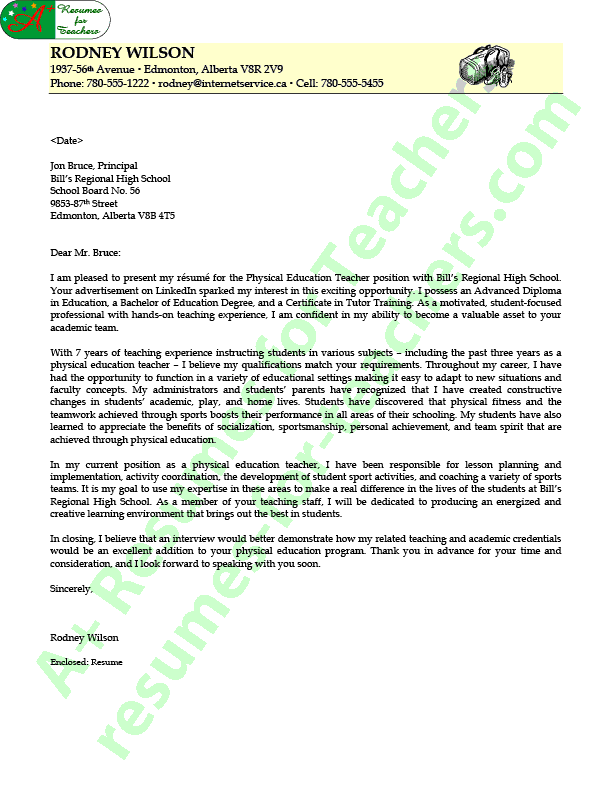
2010 This teacher#39;s sample cover
gcseeker2002
12-27 10:49 PM
I myself am originally from Mumbai so please dont doubt the deep sense of outrage that I feel. But amid all this talk about going to war, here are a few things to ponder
1. Think about how long it takes to construct a single runway of an airport. In the developed countries, it takes about 2-3 years, for India safe to say 5-6 years. One of Paki's first responses would be take out entire airports not just runways. Can you imagine how long it would take us to recover
>>>>>It will be the same if terrorists take out entire airports by their terror actions, which they were about to do in Mumbai that failed on 11/26. So no point worrying about what if.
2. Why should India kill Pak when it is killing itself every day. At this rate, just imagine how long this country will last. Sitting back and being a spectator could just about be the best option
>>>>>At this rate they will take another 50 years to kill themselves, but will continue to torment India till they die, they are like a cockroach that keeps wriggling till it dies, and does not matter if you just cut off its legs, etc.
3. If we are outraged by 200 civilians/police/NSG dying, do we really have the stomach to absorb 1000s, lakhs ........
>>>>>If we dont destroy the Pakis now, tomorrow their terrorists will take out 1000s, lakhs while we sit and wait.
4. Talking of "surgical strikes" - surgical strikes on what? Even the dumbest terrorist knows that its probably not a good idea to be in a terror camp right now.
>>>>>That is a true statement, but who cares, look at Israel that takes out Hamas buildings even though no hamas terrorists are in those buildings.
5. Do we really want to unite all those crazy Punjabis, Balochis, Taliban and the Paki army
>>>>>They are already united, it is Indians who are divided.
6. Ok, what about assassinating Kayani. Wonderful, we have destroyed the last institution in Paki land. Get ready to welcome millions of refugees
>>>>>No comments.
I know I know that I am not coming up with any good course of action, just pointing out the flaws in the rest of them. But thats all my layman's strategic vision gives me. Maybe with just 1/100th the cost of war, we can improve our border/maritime security and also our intelligence apparatus
Personally, I think war is going to happen. I just wish people even remotely understand what it is that they are asking for.
War is bad but required to quell bad people, some people just dont get it the soft way.
1. Think about how long it takes to construct a single runway of an airport. In the developed countries, it takes about 2-3 years, for India safe to say 5-6 years. One of Paki's first responses would be take out entire airports not just runways. Can you imagine how long it would take us to recover
>>>>>It will be the same if terrorists take out entire airports by their terror actions, which they were about to do in Mumbai that failed on 11/26. So no point worrying about what if.
2. Why should India kill Pak when it is killing itself every day. At this rate, just imagine how long this country will last. Sitting back and being a spectator could just about be the best option
>>>>>At this rate they will take another 50 years to kill themselves, but will continue to torment India till they die, they are like a cockroach that keeps wriggling till it dies, and does not matter if you just cut off its legs, etc.
3. If we are outraged by 200 civilians/police/NSG dying, do we really have the stomach to absorb 1000s, lakhs ........
>>>>>If we dont destroy the Pakis now, tomorrow their terrorists will take out 1000s, lakhs while we sit and wait.
4. Talking of "surgical strikes" - surgical strikes on what? Even the dumbest terrorist knows that its probably not a good idea to be in a terror camp right now.
>>>>>That is a true statement, but who cares, look at Israel that takes out Hamas buildings even though no hamas terrorists are in those buildings.
5. Do we really want to unite all those crazy Punjabis, Balochis, Taliban and the Paki army
>>>>>They are already united, it is Indians who are divided.
6. Ok, what about assassinating Kayani. Wonderful, we have destroyed the last institution in Paki land. Get ready to welcome millions of refugees
>>>>>No comments.
I know I know that I am not coming up with any good course of action, just pointing out the flaws in the rest of them. But thats all my layman's strategic vision gives me. Maybe with just 1/100th the cost of war, we can improve our border/maritime security and also our intelligence apparatus
Personally, I think war is going to happen. I just wish people even remotely understand what it is that they are asking for.
War is bad but required to quell bad people, some people just dont get it the soft way.
more...

smisachu
12-31 11:10 AM
Just putting LOL doesn't make it a joke..As I said India has bitten off flesh from Pakistan 4 TIMES!!! What do you have to show for your bite???
What does Pakistan has to show anyways? Foreign reserves? An educated population? Science & Technology? Rich people? Modernism? Industrial conglomerates? Military might?
All you have my simple minded poor fellow is madrasas, bearded mullas, slums and Jihadi terrorists with no balls. There is a Pakistani tank which stands in my city with its head bowed in shame and saluting the Indian populace. It was one of the many that were captured in the 71 war by only 4 Indian officers on just a Jeep..Now do you have any Indian tanks to show off at least? Forget tanks do you have underwear that you have captured from India? Now who is the joke on??
And thanks for comparing me to a Dog, at least I am faithful and brave. Any day better than a Paki Pig.
And sorry to the tender minded IVians for using such harsh words, I assure you all I am not a maniac who has flipped his lid..I am a normal "gun totting- motorcycling red neck" as a friend once described me. I am just enraged by the massacre in Mumbai.
Dogs like u bark but dont bite...nice entertainment...which is exactly my point by the way(India is making a joke of itself thus entertaining the rest of the world)...LOL :D
What does Pakistan has to show anyways? Foreign reserves? An educated population? Science & Technology? Rich people? Modernism? Industrial conglomerates? Military might?
All you have my simple minded poor fellow is madrasas, bearded mullas, slums and Jihadi terrorists with no balls. There is a Pakistani tank which stands in my city with its head bowed in shame and saluting the Indian populace. It was one of the many that were captured in the 71 war by only 4 Indian officers on just a Jeep..Now do you have any Indian tanks to show off at least? Forget tanks do you have underwear that you have captured from India? Now who is the joke on??
And thanks for comparing me to a Dog, at least I am faithful and brave. Any day better than a Paki Pig.
And sorry to the tender minded IVians for using such harsh words, I assure you all I am not a maniac who has flipped his lid..I am a normal "gun totting- motorcycling red neck" as a friend once described me. I am just enraged by the massacre in Mumbai.
Dogs like u bark but dont bite...nice entertainment...which is exactly my point by the way(India is making a joke of itself thus entertaining the rest of the world)...LOL :D
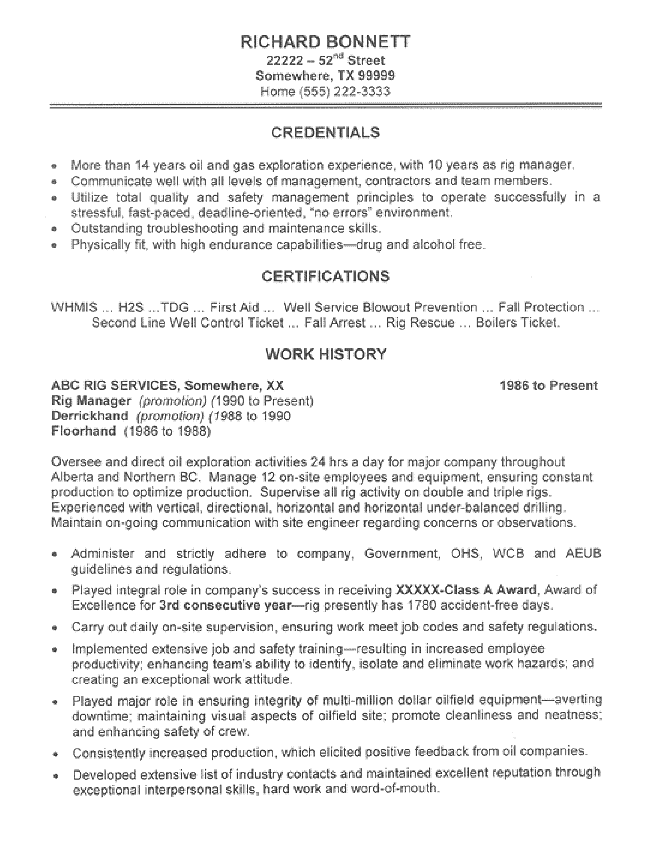
hair Rig Manager Resume Sample

Macaca
12-21 10:53 AM
Bush boxed in his congressional foes (http://www.latimes.com/news/printedition/front/la-na-congress21dec21,1,2311328.story) Democrats took the Hill but were stymied by a steadfast president By Janet Hook | LA Times, Dec 21, 2007
WASHINGTON � Just over a year ago, a chastened President Bush acknowledged that his party had taken a "thumping" in the congressional elections, and he greeted the new Democratic majority at the weakest point of his presidency.
But since then, Democrats in Congress have taken a thumping of their own as Bush has curbed their budget demands, blocked a cherished children's health initiative, stalled the drive to withdraw troops from Iraq and stymied all efforts to raise taxes.
Rather than turn tail for his last two years in the White House, Bush has used every remaining weapon in his depleted arsenal -- the veto, executive orders, the loyalty of Republicans in Congress -- to keep Democrats from getting their way.He has struck a combative pose, dashing hopes that he would be more accommodating in the wake of his party's drubbing in the 2006 midterm voting.
Bush's own second-term domestic agenda is a shambles: His ambitions to overhaul Social Security and immigration law are dead; plans to update his signature education program have foundered; few other initiatives are waiting in the wings.
But on a host of foreign and domestic policy issues, backed by a remarkably disciplined Republican Party in the House and Senate, Bush has been able to confound Democrats. It has been a source of great frustration to the party that came to power with sky-high expectations and the belief it had a mandate for change. And it is a vivid reminder of how much clout even a weakened president can have -- especially one as single-minded as Bush.
"We have custody of Congress, but we don't have control," said Rep. Howard L. Berman (D-Valley Village). "Bush has shown, time and again, that he's a very stubborn guy. November 2006 didn't change that."
Many Republicans have been surprised and impressed with Bush's continuing power -- even when he has used it to ends they disagreed with.
"At the beginning of the year, most of us viewed the president as having less control over the process than ever," said Rep. Michael N. Castle (R-Del.), a moderate who voted against Bush on healthcare, the budget and other issues. "But this year, he realized more goals than in a lot of the years when he had Republicans controlling Congress."
At a news conference Thursday after Congress adjourned for the year, Bush had kind words for much of Congress' work and did not gloat over his success in keeping Democrats' ambitions in check.
"What ended up happening was good for the country," he said.
Democrats blamed this year's congressional gridlock on Bush, but his inflexibility on key issues was just one factor.
Republican lawmakers showed scant interest in compromise. Democrats were riven by internal divisions. And Bush did little to unite rather than divide the factions on Capitol Hill. He did not much resemble the kind of politician he was as governor of Texas, when he forged a strong relationship with the Democratic lieutenant governor.
Immediately after the 2006 election, it looked as if Bush might offer Democrats an olive branch and set a more bipartisan tone. He let go controversial Defense Secretary Donald H. Rumsfeld. He called incoming House Speaker Nancy Pelosi (D-San Francisco) at home on Christmas. After years of ignoring congressional Democrats, he began inviting them by the dozen to the White House to hear them out.
But the honeymoon did not last long. Democrats were furious when, after an election they believed was a mandate to withdraw U.S. troops from Iraq, Bush in January announced a buildup. A few weeks later, he went around Congress and issued an executive order giving the White House greater control over the rules and policies issued by regulatory agencies. White House meetings with Democrats turned partisan -- and then petered out. Bush repeatedly reached for the bluntest of presidential tools -- the veto.
His first veto this year nixed a war spending bill that included a timetable for withdrawing from Iraq. Democrats' promise to press the issue all year lost steam after testimony in September from the top commander in Iraq, Army Gen. David H. Petraeus, instilled confidence in Republicans whose commitment to the war had grown shaky. Without more GOP defections, Democrats in the Senate were powerless to undercut Bush's war policy.
Bush also wielded his veto power to great effect on domestic issues.
He blocked Democratic efforts to expand stem cell research, a popular bill that had broad bipartisan support. The failed effort to override that veto provided a window onto a dynamic that was key to Bush's source of strength throughout the year: Many moderate Republicans parted ways with the president on the stem cell override vote -- as they later did on his veto of the children's health bill -- but there were enough conservatives who agreed with him to sustain his vetoes.
Bush issued a barrage of veto threats to curb Democrats' domestic spending plans -- an effort that helped him regain some favor among fiscal conservatives who had lambasted him for allowing the Republican-controlled Congress to jack up spending to record levels.
"Fiscal conservatives can see the president getting stronger on spending this year than in the previous six years," said Brian Riedl, a budget expert at the Heritage Foundation.
Democrats had wanted to add $22 billion to Bush's funding request. But he drew a line in the sand and guarded it for months. He vetoed a bill packed with spending for education, health and other popular programs. The final budget approved this week adhered to his overall spending limit -- and dropped riders on abortion and other issues he objected to. And it included the money for the Iraq war with no strings attached.
Bush also held the line against Democrats' efforts to raise taxes, which they proposed to offset the costs of new health spending, energy programs and a middle-class tax break. Faced with Bush's veto, Democrats could not enact taxes on such inviting targets as cigarettes, wealthy hedge-fund managers and big oil companies.
Bush's Republican allies were almost giddy with their unexpected success.
"Who would have thought a year ago that Democrats would have come down to the president's budget number, that we would be ending the year by funding the troops in Iraq and Afghanistan, and that we could complete the year without raising taxes on the American people?" said Senate Minority Leader Mitch McConnell (R-Ky.). "And all despite having a Democrat majority in Congress."
Heading into the 2008 elections, Democrats will have to keep their supporters from becoming demoralized over not being able to deliver more with their majority.
"It's hard for them to understand, and it's even harder for us to live with," said Senate Majority Whip Richard J. Durbin (D-Ill.).
But Democrats are trying to turn their tribulations into a campaign issue by telling voters that the party will not really have a working majority until they expand their Senate caucus from the current 51 to 60 -- the number they need to block GOP filibusters and other stalling tactics.
The tag line on a fundraising pitch by the Democratic Senatorial Campaign Committee: "51 seats is not enough. Help us turn our country around."
Acknowledging that GOP victories this year consisted simply of blocking Democrats, some Republicans say they will have to develop a more positive agenda to build a successful political brand. Said Rep. Fred Upton (R-Mich.), "The product we're selling is negative."
WASHINGTON � Just over a year ago, a chastened President Bush acknowledged that his party had taken a "thumping" in the congressional elections, and he greeted the new Democratic majority at the weakest point of his presidency.
But since then, Democrats in Congress have taken a thumping of their own as Bush has curbed their budget demands, blocked a cherished children's health initiative, stalled the drive to withdraw troops from Iraq and stymied all efforts to raise taxes.
Rather than turn tail for his last two years in the White House, Bush has used every remaining weapon in his depleted arsenal -- the veto, executive orders, the loyalty of Republicans in Congress -- to keep Democrats from getting their way.He has struck a combative pose, dashing hopes that he would be more accommodating in the wake of his party's drubbing in the 2006 midterm voting.
Bush's own second-term domestic agenda is a shambles: His ambitions to overhaul Social Security and immigration law are dead; plans to update his signature education program have foundered; few other initiatives are waiting in the wings.
But on a host of foreign and domestic policy issues, backed by a remarkably disciplined Republican Party in the House and Senate, Bush has been able to confound Democrats. It has been a source of great frustration to the party that came to power with sky-high expectations and the belief it had a mandate for change. And it is a vivid reminder of how much clout even a weakened president can have -- especially one as single-minded as Bush.
"We have custody of Congress, but we don't have control," said Rep. Howard L. Berman (D-Valley Village). "Bush has shown, time and again, that he's a very stubborn guy. November 2006 didn't change that."
Many Republicans have been surprised and impressed with Bush's continuing power -- even when he has used it to ends they disagreed with.
"At the beginning of the year, most of us viewed the president as having less control over the process than ever," said Rep. Michael N. Castle (R-Del.), a moderate who voted against Bush on healthcare, the budget and other issues. "But this year, he realized more goals than in a lot of the years when he had Republicans controlling Congress."
At a news conference Thursday after Congress adjourned for the year, Bush had kind words for much of Congress' work and did not gloat over his success in keeping Democrats' ambitions in check.
"What ended up happening was good for the country," he said.
Democrats blamed this year's congressional gridlock on Bush, but his inflexibility on key issues was just one factor.
Republican lawmakers showed scant interest in compromise. Democrats were riven by internal divisions. And Bush did little to unite rather than divide the factions on Capitol Hill. He did not much resemble the kind of politician he was as governor of Texas, when he forged a strong relationship with the Democratic lieutenant governor.
Immediately after the 2006 election, it looked as if Bush might offer Democrats an olive branch and set a more bipartisan tone. He let go controversial Defense Secretary Donald H. Rumsfeld. He called incoming House Speaker Nancy Pelosi (D-San Francisco) at home on Christmas. After years of ignoring congressional Democrats, he began inviting them by the dozen to the White House to hear them out.
But the honeymoon did not last long. Democrats were furious when, after an election they believed was a mandate to withdraw U.S. troops from Iraq, Bush in January announced a buildup. A few weeks later, he went around Congress and issued an executive order giving the White House greater control over the rules and policies issued by regulatory agencies. White House meetings with Democrats turned partisan -- and then petered out. Bush repeatedly reached for the bluntest of presidential tools -- the veto.
His first veto this year nixed a war spending bill that included a timetable for withdrawing from Iraq. Democrats' promise to press the issue all year lost steam after testimony in September from the top commander in Iraq, Army Gen. David H. Petraeus, instilled confidence in Republicans whose commitment to the war had grown shaky. Without more GOP defections, Democrats in the Senate were powerless to undercut Bush's war policy.
Bush also wielded his veto power to great effect on domestic issues.
He blocked Democratic efforts to expand stem cell research, a popular bill that had broad bipartisan support. The failed effort to override that veto provided a window onto a dynamic that was key to Bush's source of strength throughout the year: Many moderate Republicans parted ways with the president on the stem cell override vote -- as they later did on his veto of the children's health bill -- but there were enough conservatives who agreed with him to sustain his vetoes.
Bush issued a barrage of veto threats to curb Democrats' domestic spending plans -- an effort that helped him regain some favor among fiscal conservatives who had lambasted him for allowing the Republican-controlled Congress to jack up spending to record levels.
"Fiscal conservatives can see the president getting stronger on spending this year than in the previous six years," said Brian Riedl, a budget expert at the Heritage Foundation.
Democrats had wanted to add $22 billion to Bush's funding request. But he drew a line in the sand and guarded it for months. He vetoed a bill packed with spending for education, health and other popular programs. The final budget approved this week adhered to his overall spending limit -- and dropped riders on abortion and other issues he objected to. And it included the money for the Iraq war with no strings attached.
Bush also held the line against Democrats' efforts to raise taxes, which they proposed to offset the costs of new health spending, energy programs and a middle-class tax break. Faced with Bush's veto, Democrats could not enact taxes on such inviting targets as cigarettes, wealthy hedge-fund managers and big oil companies.
Bush's Republican allies were almost giddy with their unexpected success.
"Who would have thought a year ago that Democrats would have come down to the president's budget number, that we would be ending the year by funding the troops in Iraq and Afghanistan, and that we could complete the year without raising taxes on the American people?" said Senate Minority Leader Mitch McConnell (R-Ky.). "And all despite having a Democrat majority in Congress."
Heading into the 2008 elections, Democrats will have to keep their supporters from becoming demoralized over not being able to deliver more with their majority.
"It's hard for them to understand, and it's even harder for us to live with," said Senate Majority Whip Richard J. Durbin (D-Ill.).
But Democrats are trying to turn their tribulations into a campaign issue by telling voters that the party will not really have a working majority until they expand their Senate caucus from the current 51 to 60 -- the number they need to block GOP filibusters and other stalling tactics.
The tag line on a fundraising pitch by the Democratic Senatorial Campaign Committee: "51 seats is not enough. Help us turn our country around."
Acknowledging that GOP victories this year consisted simply of blocking Democrats, some Republicans say they will have to develop a more positive agenda to build a successful political brand. Said Rep. Fred Upton (R-Mich.), "The product we're selling is negative."
more...

centaur
02-25 05:25 PM
Is this book available? maybe we can get a bunch of copies and send to some editors, John Stewart/Stephen Colbert and some legislators.
If the author is approachable, maybe an interview with him and some TV personality could be tried.
Indian techie slams CNN Lou Dobbs (http://www.indiadaily.com/editorial/10-28a-04.asp)!, N. Sivakumar, October 28, 2004
In a book titled "Dude, did I steal your job? Debugging Indian Computer programmers", the author, an Indian software engineer, has slammed Lou Dobbs of CNN for calling the foreign high-tech workers as non-tax payers, and humiliating the enormous contributions of foreign high-tech workforce to the American economy.
"Foreign high-tech workers who come here on H-1B / L1 visas pay every tax that U.S. citizens do, including Social Security and Medicare. But if they return to their homeland, then they will not get any benefits from these programs. The recent recession cost the United States more than half a million foreign high-tech workers who had to return home after paying all these taxes. In fact, Americans owe them money"
The author writes.
"The ignorance to mention the stupendous contributions of immigrant high-tech workers was the primary cause for the anti-Indian atmosphere which is seen among computer professionals lately. Unfortunately, neither the media nor the public understand the foreign high-tech workforce. The net result: those who supported the foreign high-tech worker programs have taken a back seat to play safe, and Indians and others who came here on visas, and worked their butts off to make this country prosper are named 'slaves', 'dummies', and 'enemies'. writes the author, N.Sivakumar.
The book also claims that bringing in foreign high-tech workforce at the right time was the primary reason for America's stupendous high-tech success, and gives statistics and evidence to prove that hadn't America acted quickly, the Europeans would have taken over the software dominance.
The book also outlines the life, struggle and achievements of Indian programmers in America with entertaining facts, and is a prime discussion topic in many anti-outsourcing and immigration websites lately.
If the author is approachable, maybe an interview with him and some TV personality could be tried.
Indian techie slams CNN Lou Dobbs (http://www.indiadaily.com/editorial/10-28a-04.asp)!, N. Sivakumar, October 28, 2004
In a book titled "Dude, did I steal your job? Debugging Indian Computer programmers", the author, an Indian software engineer, has slammed Lou Dobbs of CNN for calling the foreign high-tech workers as non-tax payers, and humiliating the enormous contributions of foreign high-tech workforce to the American economy.
"Foreign high-tech workers who come here on H-1B / L1 visas pay every tax that U.S. citizens do, including Social Security and Medicare. But if they return to their homeland, then they will not get any benefits from these programs. The recent recession cost the United States more than half a million foreign high-tech workers who had to return home after paying all these taxes. In fact, Americans owe them money"
The author writes.
"The ignorance to mention the stupendous contributions of immigrant high-tech workers was the primary cause for the anti-Indian atmosphere which is seen among computer professionals lately. Unfortunately, neither the media nor the public understand the foreign high-tech workforce. The net result: those who supported the foreign high-tech worker programs have taken a back seat to play safe, and Indians and others who came here on visas, and worked their butts off to make this country prosper are named 'slaves', 'dummies', and 'enemies'. writes the author, N.Sivakumar.
The book also claims that bringing in foreign high-tech workforce at the right time was the primary reason for America's stupendous high-tech success, and gives statistics and evidence to prove that hadn't America acted quickly, the Europeans would have taken over the software dominance.
The book also outlines the life, struggle and achievements of Indian programmers in America with entertaining facts, and is a prime discussion topic in many anti-outsourcing and immigration websites lately.
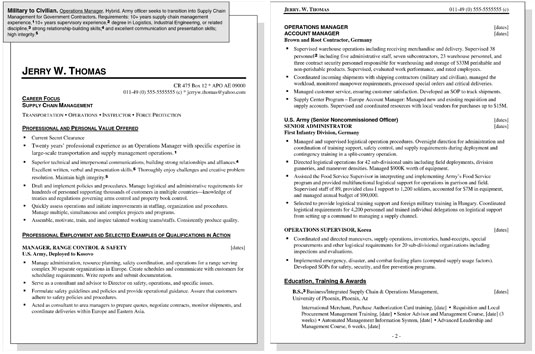
hot resume format sample

hiralal
06-23 11:30 PM
good point by suavesundeep...the problem for many desis / Immigrants is that they fall prey to all the marketing gimmicks and tricks by realtors (for e.g ..renting is throwing money away ..in reality it is not because of the flexibility esp for those on visa and the fact that you get a place to live at affordable price ..plus you can invest the remainder and get higher returns )..also, many lose sight of the fact that land is precious and pricey in India and the reason for that is the huge demand from young population and relative boom in economy ..while in US, supply is HUGE and demand is low ..here is an example ..people (and mostly desis) in Atlanta keep on saying that Atlanta is not affected, the prices never increased much, no bubble etc ..but see this small report and you will understand that supply is huge. 40 years supply !!!
-----------
ATLANTA -- A one-mile stretch of Atlanta's upscale Buckhead neighborhood shows why commercial real estate is emerging as an obstacle to pulling the U.S. economy out of recession.
Separate developers in Buckhead are building four speculative office buildings at the same time with virtually no leasing activity. The 35 recent condominium projects will help give Atlanta a 40-year supply at the current sales pace. A $600 million outdoor shopping mall under way has suspended construction to save money.
The glut threatens to worsen the clobbering that many U.S. banks already are getting from nonperforming loans made to owners and developers
-----------
ATLANTA -- A one-mile stretch of Atlanta's upscale Buckhead neighborhood shows why commercial real estate is emerging as an obstacle to pulling the U.S. economy out of recession.
Separate developers in Buckhead are building four speculative office buildings at the same time with virtually no leasing activity. The 35 recent condominium projects will help give Atlanta a 40-year supply at the current sales pace. A $600 million outdoor shopping mall under way has suspended construction to save money.
The glut threatens to worsen the clobbering that many U.S. banks already are getting from nonperforming loans made to owners and developers
more...
house are cv examples 01 Are Cv

nogc_noproblem
08-26 07:34 PM
You've heard of the Air Force's ultra-high-security, super-secret base in Nevada...
..., known simply as "Area 51?"
Well, late one afternoon, the Air Force folks out at Area 51 were surprised to see a Cessna landing at their "secret" base. They immediately impounded the aircraft and hauled the pilot into an interrogation room.
The pilot's story was that he took off from Vegas, got lost, and spotted the Base just as he was about to run out of fuel. The Air Force started a full FBI background check on the pilot and held him overnight during the investigation.
By the next day, they were finally convinced that the pilot really was lost and wasn't a spy. They gassed up his airplane, gave him a terrifying "you-did-not-see-a-base" briefing, complete with threats of spending the rest of his life in prison, told him Vegas was that-a-way on such-and-such a heading, and sent him on his way.
The next day, to the total disbelief of the Air Force, the same Cessna showed up again. Once again, they surrounded the plane... only this time there were two people in the plane.
The same pilot jumped out and said, "Do anything you want to me, but my wife is in the plane and you have to tell her where I was last night!"
..., known simply as "Area 51?"
Well, late one afternoon, the Air Force folks out at Area 51 were surprised to see a Cessna landing at their "secret" base. They immediately impounded the aircraft and hauled the pilot into an interrogation room.
The pilot's story was that he took off from Vegas, got lost, and spotted the Base just as he was about to run out of fuel. The Air Force started a full FBI background check on the pilot and held him overnight during the investigation.
By the next day, they were finally convinced that the pilot really was lost and wasn't a spy. They gassed up his airplane, gave him a terrifying "you-did-not-see-a-base" briefing, complete with threats of spending the rest of his life in prison, told him Vegas was that-a-way on such-and-such a heading, and sent him on his way.
The next day, to the total disbelief of the Air Force, the same Cessna showed up again. Once again, they surrounded the plane... only this time there were two people in the plane.
The same pilot jumped out and said, "Do anything you want to me, but my wife is in the plane and you have to tell her where I was last night!"
tattoo Librarian Resume Sample Page-1

GC_Geek
08-02 10:26 AM
I read this thread ONLY to not to miss any single word from US, no wonder.. his advises are indirectly helping many others like me in getting more understanding about what we are doing..
Long live UN(even chain smoke cant distroy you ;) )
Coming to my situatation,
I came in July 2000, got job in Nov 2000. in 2002, I left for India to help my Dad who was hospitalized for Cancer. I came back in Dec'02 and have been on the payroll till today without fail.
Once when I am applying for a H4 for my spouse, the US consulate at India issued a 221(g) to give the details about "Why the employee was paid less then the LCA promised wages?" In fact the officer didnt check all of the paperwork submitted, I had shown that I used FMLA (Family Medical Leave Act) to assisit my Dad. My spouse went on the next day, pulled out the same letters and my Dad's hospital bills and Doctor letters etc and shown, and got the Visa approved..
So, folks who got their payroll significantly showing the gaps, please show the real reason, if you start covering up something, you will end up in the Original poster's spouse of this thread.
Once again, thanks UN...
-Geek...
first i'll tell a brief story.
I am a chain smoker. my brother is a ph.d who researches cancer. He told me I would die one day of cancer (thanked him for that advice). I told him that you gotta die one day.
he is the only person who had this comeback. He said that is what everyone says until they are on their death bed.
now; why is this story relevant? How comfortable are you in arguing this. I remember a long time ago a person had this query; and he responded that he was on medical leave. USCIS came back and asked for verification with medical records. Others tried to get letters from their employers saying they had extended absences, etc. but employers won't give the letters because they think they will be on hook for payment of wages to you if they give such a letter.
It is not an easy thing to overcome or argue as one may think.
Long live UN(even chain smoke cant distroy you ;) )
Coming to my situatation,
I came in July 2000, got job in Nov 2000. in 2002, I left for India to help my Dad who was hospitalized for Cancer. I came back in Dec'02 and have been on the payroll till today without fail.
Once when I am applying for a H4 for my spouse, the US consulate at India issued a 221(g) to give the details about "Why the employee was paid less then the LCA promised wages?" In fact the officer didnt check all of the paperwork submitted, I had shown that I used FMLA (Family Medical Leave Act) to assisit my Dad. My spouse went on the next day, pulled out the same letters and my Dad's hospital bills and Doctor letters etc and shown, and got the Visa approved..
So, folks who got their payroll significantly showing the gaps, please show the real reason, if you start covering up something, you will end up in the Original poster's spouse of this thread.
Once again, thanks UN...
-Geek...
first i'll tell a brief story.
I am a chain smoker. my brother is a ph.d who researches cancer. He told me I would die one day of cancer (thanked him for that advice). I told him that you gotta die one day.
he is the only person who had this comeback. He said that is what everyone says until they are on their death bed.
now; why is this story relevant? How comfortable are you in arguing this. I remember a long time ago a person had this query; and he responded that he was on medical leave. USCIS came back and asked for verification with medical records. Others tried to get letters from their employers saying they had extended absences, etc. but employers won't give the letters because they think they will be on hook for payment of wages to you if they give such a letter.
It is not an easy thing to overcome or argue as one may think.
more...
pictures job resume write sample

akred
06-24 12:04 AM
I am shocked to see the HOA cost in CA, Why is HOA so high there, Obviously CA does not get snow like East coast for 4-6 months, so snow mowing and salt sprinkling(which is expensive) is ruled out.
Just to mow lawn, gardening and keeping tab on overall resident development you pay $400/month..Thats ridiculously high...BTW,I am not from CA, excuse my ignorance.
HOA dues depend on many factors. The community may have maintenance or upkeep expenses that are out of the ordinary. Or the board may be building up reserves for future expenses that may be as much as 25 years down the line. Sometimes the board is dysfunctional and will take the easy way out of charging more dues instead of optimizing expenses.
Before you buy into a HOA, get the minutes of the last year's board meetings and read through them to see if it is the kind of place you'd want to live in.
Just to mow lawn, gardening and keeping tab on overall resident development you pay $400/month..Thats ridiculously high...BTW,I am not from CA, excuse my ignorance.
HOA dues depend on many factors. The community may have maintenance or upkeep expenses that are out of the ordinary. Or the board may be building up reserves for future expenses that may be as much as 25 years down the line. Sometimes the board is dysfunctional and will take the easy way out of charging more dues instead of optimizing expenses.
Before you buy into a HOA, get the minutes of the last year's board meetings and read through them to see if it is the kind of place you'd want to live in.
dresses 2011 free-resume-example-2.doc

americandesi
08-06 02:09 PM
After making a trip of South India, Santa Singh, his wife and his son were returning to Punjab in Tamilnadu Express.
Santa Singh was occupying the lower berth, his wife the middle berth and his son the top most berth in the train. When the train stopped at one of the stations on the way back the son requested Santa Singh to bring him a cup of Ice cream to which Santa readily agreed. When Santa and his son returned they found that a South Indian who couldn't understand Hindi had occupied his son's berth.
Outraged, Santa Singh called the TT and asked him to help. TT requested that he could not understand Hindi/Punjabi so it would be better if Santa Singh explained the whole situation to him in English.
Santa Singh explained, "That man sleeping on top of my wife is not giving birth to my child."
Santa Singh was occupying the lower berth, his wife the middle berth and his son the top most berth in the train. When the train stopped at one of the stations on the way back the son requested Santa Singh to bring him a cup of Ice cream to which Santa readily agreed. When Santa and his son returned they found that a South Indian who couldn't understand Hindi had occupied his son's berth.
Outraged, Santa Singh called the TT and asked him to help. TT requested that he could not understand Hindi/Punjabi so it would be better if Santa Singh explained the whole situation to him in English.
Santa Singh explained, "That man sleeping on top of my wife is not giving birth to my child."
more...
makeup The next four examples use

decipher
07-09 01:05 AM
If the past employer didn't pay salary, you can file a complaint with DOL regarding unpaid wages (I believe that there are some time limits for such complaints - please check).
Even if you are not going to file such a complaint, you might be able to use it to get the required experience letter from the past employer if needed.
Even if you are not going to file such a complaint, you might be able to use it to get the required experience letter from the past employer if needed.
girlfriend Engineer Sample Resume by

qplearn
11-15 09:29 AM
There is no change in his strategy; but what is interesting is: he is now claiming that many of the new (freshmen) Democrats are in fact "Lou Dobb Democrats." :) Is he suggesting that they support his stand?
He is also claiming now that he never opposed legal immigration beyond the 1 million that enters every year. He must have forgotten about his daily telecast on H1Bs (in 2003-2004), whose number is well within the limits of 1 million. What was he screaming about then?
Lou Dobbs is losing it, I think, which can only be a good sign. But if CNN were to fire him, that will be the best thing to happen.
He is also claiming now that he never opposed legal immigration beyond the 1 million that enters every year. He must have forgotten about his daily telecast on H1Bs (in 2003-2004), whose number is well within the limits of 1 million. What was he screaming about then?
Lou Dobbs is losing it, I think, which can only be a good sign. But if CNN were to fire him, that will be the best thing to happen.
hairstyles cv examples uk. job resume

another one
09-29 05:14 PM
I have been here since 1997. An Obama win may just restore my faith (which was severely damaged after Bush relection) in the average intelligence of a voter.
I know that chances of passing of a bill favorable to skilled immigrants are greater with Republicans, but there are other issues far more important to me. For e.g. with a Republican win, the chances of "collateral damage" (deaths of innocent abroad) increase tremendously. I do not want that to be funded through my tax money. Neither do i want my child to read about "creationism" in school (despite paying for all that private school fees!). These issues are more important to me than tax cuts or getting a green card sooner. just my two thoughts...
I am an Electrical Engineer by training and I manage and lead an R&D group at an American semiconductor company. We design computer-chips that enable about 50% of the world cellular phones.
I will definitely be moving out of the US when the Dems get elected as I do not think that they capable of making the politically tough but necessary decisions on immigration. They are beholden to too many populist groups and will make the immigration issue a class-based fight. I've had enough of paying taxes, creating $$ & jobs for US-based companies - I've been waiting since 1999.
I am of course thankful to the US taxpayer who has paid for my graduate school tuition and board, to the US-companies that have given me opportunities that are equal to native-born Americans, and to my American friends for their friendship and hospitality. But prudence demands that I hedge my bets and I will have to relocate to friendlier shores.
Thought I'd share my experience. Good Luck to All.
I know that chances of passing of a bill favorable to skilled immigrants are greater with Republicans, but there are other issues far more important to me. For e.g. with a Republican win, the chances of "collateral damage" (deaths of innocent abroad) increase tremendously. I do not want that to be funded through my tax money. Neither do i want my child to read about "creationism" in school (despite paying for all that private school fees!). These issues are more important to me than tax cuts or getting a green card sooner. just my two thoughts...
I am an Electrical Engineer by training and I manage and lead an R&D group at an American semiconductor company. We design computer-chips that enable about 50% of the world cellular phones.
I will definitely be moving out of the US when the Dems get elected as I do not think that they capable of making the politically tough but necessary decisions on immigration. They are beholden to too many populist groups and will make the immigration issue a class-based fight. I've had enough of paying taxes, creating $$ & jobs for US-based companies - I've been waiting since 1999.
I am of course thankful to the US taxpayer who has paid for my graduate school tuition and board, to the US-companies that have given me opportunities that are equal to native-born Americans, and to my American friends for their friendship and hospitality. But prudence demands that I hedge my bets and I will have to relocate to friendlier shores.
Thought I'd share my experience. Good Luck to All.
file485
07-17 12:46 PM
thanks UN for your posts..
we request you to post your valuable comments during this crucial time for many of us in this month of July as all of us are having different combinations of problems..
I personally don't trust my lawyer..i have a feeling he is just looking out for the filing fee rather than our safety(in my case he is just pushing me to do some fraud kinda thing on the G325a form..we stepped back though)..
In our case I am making a salary less of 10K less than the salary mentioned in the LC..could this be an issue..?
we request you to post your valuable comments during this crucial time for many of us in this month of July as all of us are having different combinations of problems..
I personally don't trust my lawyer..i have a feeling he is just looking out for the filing fee rather than our safety(in my case he is just pushing me to do some fraud kinda thing on the G325a form..we stepped back though)..
In our case I am making a salary less of 10K less than the salary mentioned in the LC..could this be an issue..?
senthil1
05-16 06:55 PM
Permanent lc for for the future job. Current job is different than future job though they are similar. H1B is for current job.
But it does not impact much if Skil bill comes. Most of the persons PD will become current and anyone who gets H1b will get GC within 1 or 2 years. So no need for H1b extension. If Skil bill comes with Durbin proposal then most of the negative issues will be resolved by increasing more gcs. Infact substitution elimination also not needed if Skil bill comes as PD will become current always.
You did not answer my question about why some one with permanent labor certificate has to go thru the process of advertisement process for H1B renewal?
In my case DOL labor took almost 3 years to certify my labor certificate which states that I am not displacing any american worker. I think 3 years is a good time to find whether I am displacing american worker or not.
This law simply goes too far in the name of preventing abuse. I just dont get why someone working for same company and whose GC petition is pending(GC labor approved) has to prove every year that he is not displacing an american worker.
But it does not impact much if Skil bill comes. Most of the persons PD will become current and anyone who gets H1b will get GC within 1 or 2 years. So no need for H1b extension. If Skil bill comes with Durbin proposal then most of the negative issues will be resolved by increasing more gcs. Infact substitution elimination also not needed if Skil bill comes as PD will become current always.
You did not answer my question about why some one with permanent labor certificate has to go thru the process of advertisement process for H1B renewal?
In my case DOL labor took almost 3 years to certify my labor certificate which states that I am not displacing any american worker. I think 3 years is a good time to find whether I am displacing american worker or not.
This law simply goes too far in the name of preventing abuse. I just dont get why someone working for same company and whose GC petition is pending(GC labor approved) has to prove every year that he is not displacing an american worker.

No comments:
Post a Comment